
If you’re spending more than 4–5 days in Korea, Jeonju is one of the easier “extra city” choices to add to your itinerary — and one of the most rewarding. The Jeonju Hanok Village (전주 한옥마을) is the country’s largest preserved traditional Korean village, with over 700 hanok (traditional Korean houses) packed into a walkable old-town district, plus the famous Korean dish Jeonju bibimbap originating here, and a designation as one of UNESCO’s official “Slow City” sites.
Jeonju draws over 15 million visitors a year, the vast majority of them Korean — which is part of why it’s still distinctly Korean rather than a tourist-trap version of Korea. International visitors are a small but growing minority, and the city has invested in English signage and tourist-friendly infrastructure over the past decade. For travelers who want to see what Korea looked like before high-rise apartments, this is the most accessible option from Seoul.
This guide covers what to do over a one or two-day visit, how to get there, how to dress (yes, hanbok rental is a real consideration), the food you should actually eat, and the practical details most English-language guides skip.
QUICK FACTS
Location: Jeonju, North Jeolla Province (전주, 전라북도)
From Seoul: KTX from Yongsan Station, 1 hour 30–50 minutes, ₩34,000 ($25 USD) one-way
Best duration: Overnight (1 night, 2 days) — day trips work but rushed
UNESCO designation: “City of Gastronomy” (2012) + Slow City member
Best for: Travelers staying 5+ days in Korea, fans of traditional culture, food enthusiasts
Hanok village area: Free to walk through; individual attractions have small fees
Korail Pass: ✅ Covers KTX to Jeonju Station
Why Jeonju Is Different from Other Korean Old Towns
Korea has several “hanok village” attractions, but most are either tiny clusters of restored buildings within modern cities (Bukchon in Seoul) or open-air museum reconstructions (Hahoe Folk Village). Jeonju Hanok Village is different in two important ways:
Scale. Over 700 hanok houses spread across a genuine neighborhood, not a few preserved blocks. You can wander for hours without retracing your steps.
Living history. Many of the hanok are actual residences, guesthouses, cafes, and shops — not museum pieces. Locals live and work here. The village functions as a real part of Jeonju rather than a separate tourist zone.
Jeonju is also the historical birthplace of the Joseon dynasty (1392–1897), which ruled Korea for 500 years. The dynasty’s founder, Yi Seong-gye (King Taejo), was born here and the city retains his ancestral shrine. For travelers interested in Korean history, this matters — Jeonju is to Korea what Kyoto is to Japan in some ways: not the political capital, but the cultural and ceremonial one.
Getting There from Seoul
KTX (Recommended)
The fastest and most comfortable option. KTX trains run from Yongsan Station (Seoul) to Jeonju Station, taking 1 hour 30 minutes to 1 hour 50 minutes depending on the specific train. Standard fare around ₩34,000 ($25 USD) one-way. Trains run roughly every hour from early morning to late evening.
From Jeonju Station, the hanok village is about 15 minutes by taxi (₩6,000–8,000 / $4–6 USD) or local bus #12, #79, or #109 (₩1,500 / $1 USD).
Bus
Express buses run from Seoul Express Bus Terminal or Central City Terminal to Jeonju Bus Terminal, about 3 hours, ₩14,000–18,000 ($10–13 USD). The bus terminal is closer to the hanok village than the train station — about 10 minutes by taxi.
Korail Pass Use
If you have a Korail Pass, the KTX to Jeonju is covered. Reserve your seat in the Korail Pass dashboard before boarding. Jeonju is one of the more common destinations for Korail Pass holders — booking a few days ahead is wise during peak seasons (April–May, October).
Hanbok Rental: Should You?
One of the first things you’ll notice in Jeonju is the number of people wearing traditional Korean hanbok dress. This isn’t a special event — it’s the everyday tourist experience. Hanbok rental shops are scattered throughout the village, renting full outfits (with accessories and hair styling) for typically ₩15,000–30,000 ($11–22 USD) for 2–4 hours.
Practical benefits beyond photos: Wearing hanbok gets you free entry to several major sites including Gyeonggijeon Shrine and Gyeongbokgung Palace (when you visit Seoul). The discount usually pays for the rental.
Tips:
— Most rental shops offer English service. Look for “Hanbok Rental” signs in English near the village’s main entrances.
— Choose a rental shop with a locker — you’ll want to store your regular clothes and luggage.
— Comfortable shoes are okay; hanbok hides them.
— You can rent through the day or evening — evening rentals with hanok illumination make particularly good photos.
— Most shops include hair accessories. Some offer simple hairstyling.
Should you do it? Honestly, yes, if you’re at all curious. It’s one of those activities that sounds gimmicky in advance but is genuinely fun in practice — and Korean visitors do it too, so you’re not the only tourist standing out.
Main Sights in the Hanok Village
Gyeonggijeon Shrine (경기전)
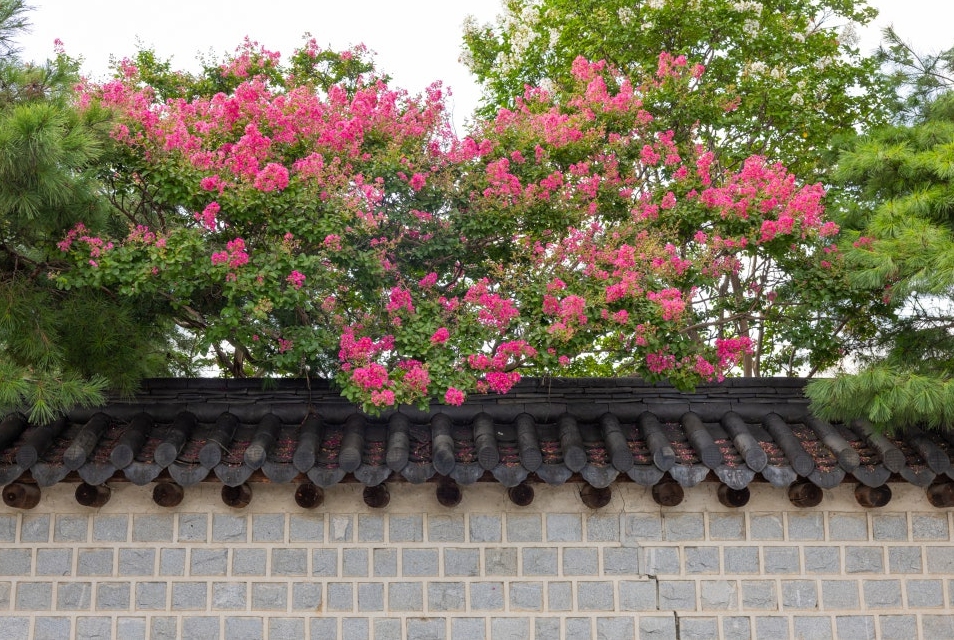
The symbolic center of Jeonju, and probably the single most photographed location in the village. Built in 1410 to house the official portrait of King Taejo, founder of the Joseon dynasty. The shrine grounds are an enclosed traditional garden with bamboo groves, gates, and the main wooden shrine building.
Practical info: Admission ₩3,000 ($2 USD) for adults, free for hanbok wearers. Open 9:00 AM – 6:00 PM (until 7:00 PM in summer). The original portrait is in the on-site Royal Portrait Museum; the version in the main shrine is a high-quality replica.
Jeondong Catholic Cathedral (전동성당)
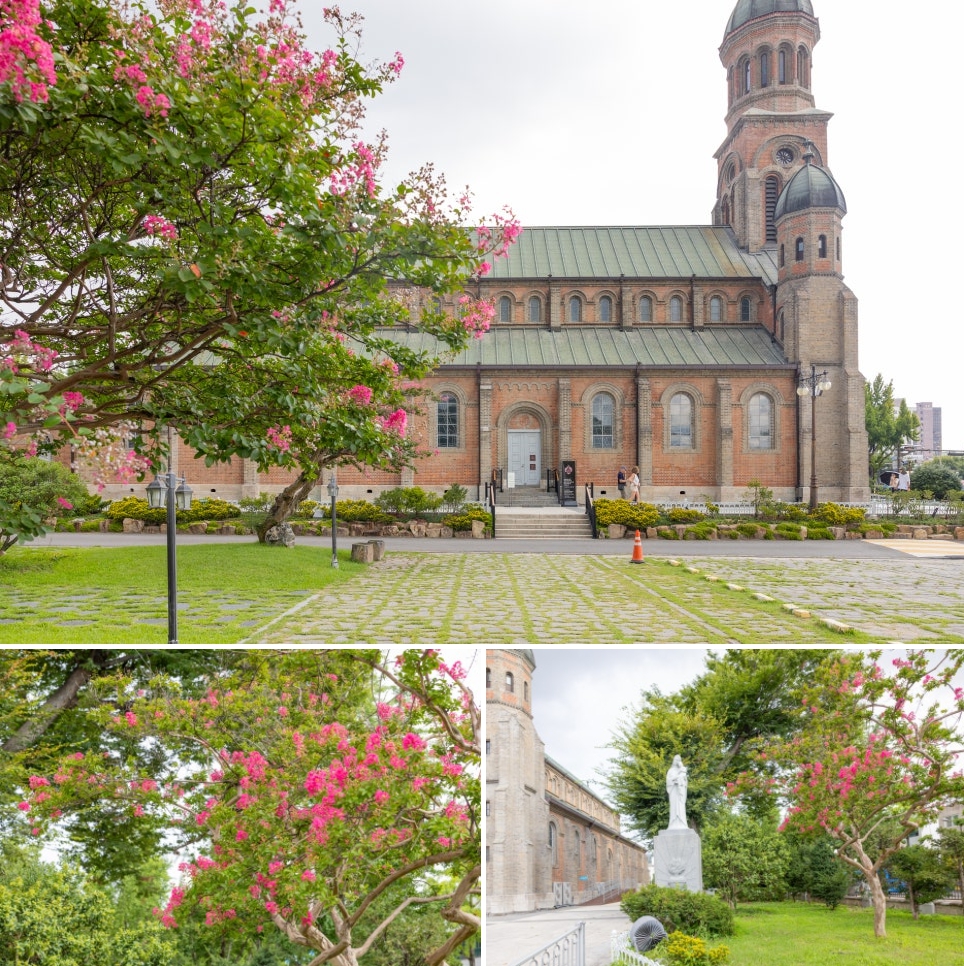
An unexpected but striking sight: a Romanesque-Byzantine style brick cathedral built in 1914, on the site where the first Korean Catholic martyrs were executed in the late 1700s. The contrast with the surrounding hanok village is dramatic — and intentional, since the church faces Gyeonggijeon directly across the street.
The cathedral is a popular wedding photo location and was featured in the Korean film The Promise (1998). Entry is free; it’s an active church, so be respectful if a service is in progress.
Pungnammun Gate (풍남문)
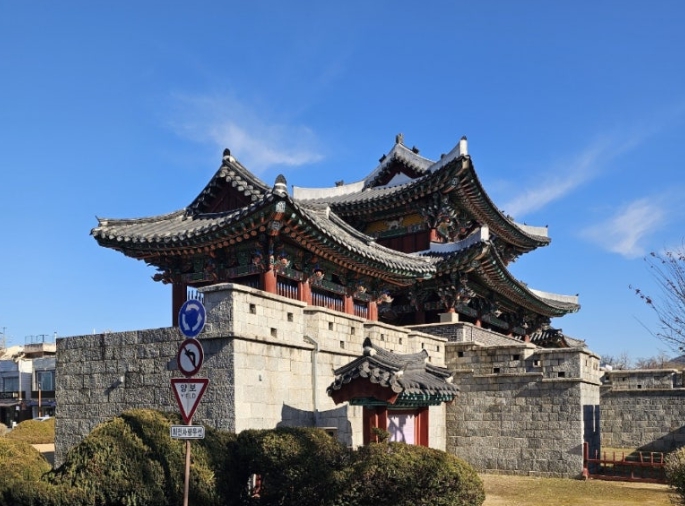
The only surviving gate from Jeonju’s old city wall. Built in 1768 and rebuilt several times after fires, it sits at the south entrance to the historic district. The view from across the street is the classic photo composition.
Omokdae and Imokdae Pavilions (오목대, 이목대)
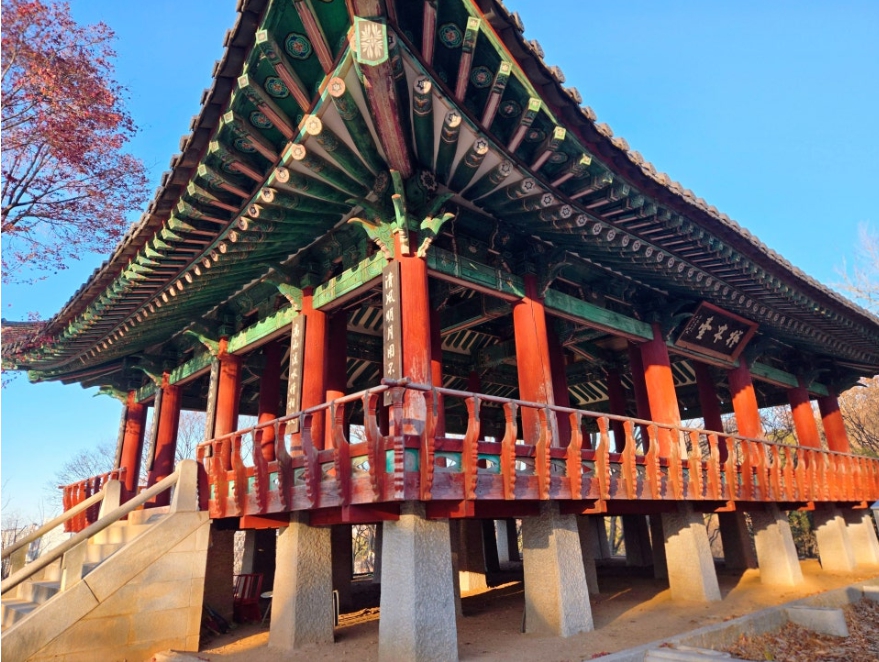
Twin hilltop pavilions overlooking the village. According to historical records, King Taejo celebrated a military victory here before founding the Joseon dynasty. The climb up the stone steps is moderate exercise (10–15 minutes), and the view from the top — looking down over the entire hanok village with its tiled roofs — is the best panoramic shot in Jeonju.
Worth doing if: you have stamina and want the postcard photo. Skip if you’re already tired from walking — the village itself is best photographed at ground level anyway.
Hu Village (휴 빌리지)
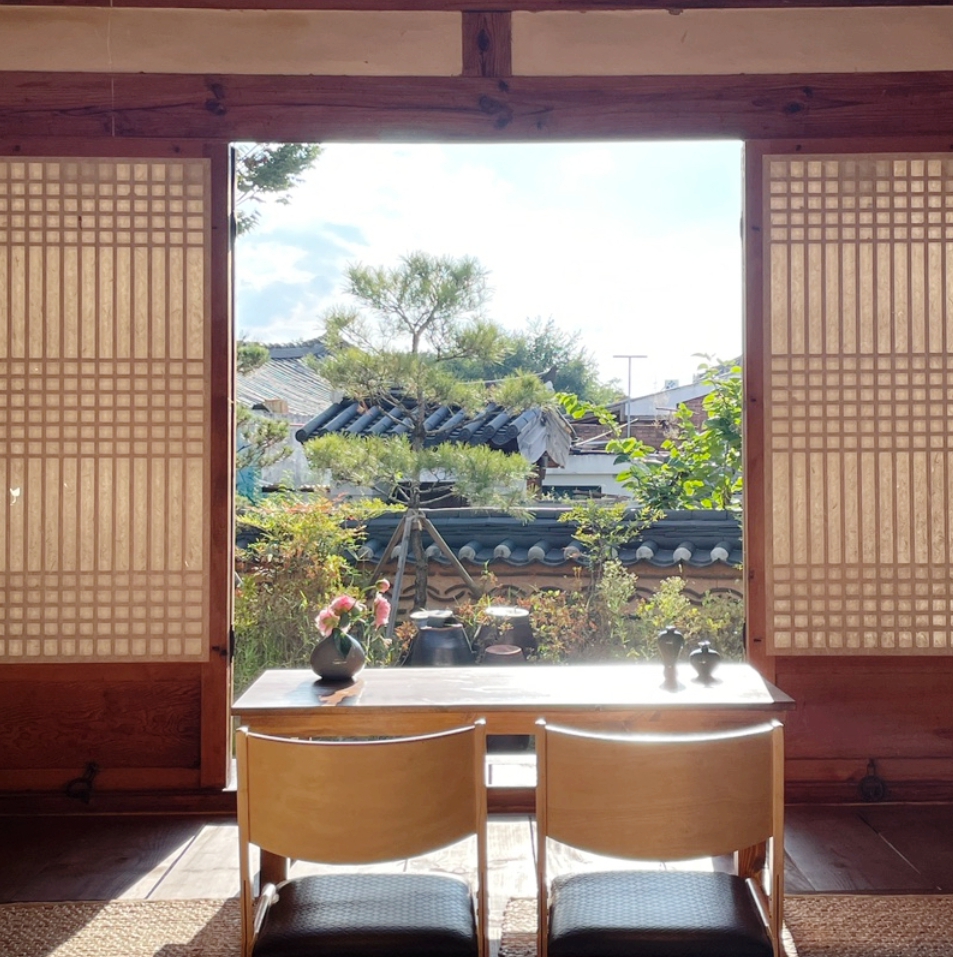
A free public space in the heart of the village with traditional hanok pavilions, often hosting small cultural performances (traditional music, dance, craft demonstrations). Good place to rest, sit on the wooden floors, and take a break from walking.
What to Eat in Jeonju
Jeonju has a UNESCO designation as a “City of Gastronomy” (one of only a handful in the world) for good reason. The food here is genuinely better than most of Korea — partly because of the rich agricultural region surrounding the city, partly because Jeonju locals are famously serious about food. A few don’t-miss items:
Jeonju Bibimbap (전주비빔밥)
The Korean dish you’ve probably eaten in a Korean restaurant abroad originated here. Jeonju bibimbap is distinctly different from versions elsewhere — it traditionally includes more than 20 ingredients, served in a stone bowl with raw egg yolk and a specific local gochujang (red chili paste) preparation.
Where to try it: Hankukgwan (한국관) and Gajok Hoegwan (가족회관) are two of the most famous traditional restaurants, both in the hanok village area. Both serve the dish in the traditional brass bowl that’s iconic of Jeonju versions. Expect ₩12,000–18,000 ($9–13 USD) per bowl. Lines can be long during meal hours.
Makgeolli + Korean Pancakes (전 & 막걸리)
A Jeonju tradition: drinking makgeolli (Korean rice wine — milky, lightly carbonated, around 6% alcohol) with savory Korean pancakes. The famous “makgeolli alley” near the village serves traditional sets where each kettle of makgeolli comes with multiple small dishes (pancakes, kimchi, side dishes). Different price tiers give you progressively more dishes — a budget option for ₩15,000 ($11 USD) up to elaborate sets for ₩50,000+ ($37+ USD).
Note: Makgeolli is much more drinkable than its appearance suggests. It’s slightly sweet, refreshing, and goes well with savory food. Highly recommended for first-timers to Korean alcohol.
PNB Pungnyeon Bakery — Choco Pies (PNB 풍년제과)
Choco pies are a Korean snack you can find everywhere, but the original Jeonju version from PNB Pungnyeon Bakery (founded 1951) is something different entirely. These are about twice the size of regular choco pies, with a much thicker chocolate coating, dense cake interior, and a layer of cream, strawberry jam, and crushed nuts inside. Around ₩2,000–2,500 ($1.50–2 USD) each.
Note: There are two competing bakeries with similar names due to a trademark dispute — PNB Pungnyeon and just Pungnyeon. Both are in the village. PNB is the original; Pungnyeon’s seating space is more comfortable.
Street Food in Nambu Market (남부시장)
The traditional market just outside the hanok village has a famous night market (Friday and Saturday evenings) and excellent daytime street food. Try the kalguksu (knife-cut noodles), mandu (Korean dumplings), and jjamppong (spicy seafood noodle soup). Prices are local-level (₩5,000–10,000 / $4–7 USD for a meal).
Where to Stay
Jeonju has accommodations across a wide range — from traditional hanok guesthouses (sleep on the floor in an actual restored Korean house) to modern hotels with hanok-view rooms. Roughly three categories:
Traditional Hanok Guesthouses
Stay in an actual hanok with traditional features — heated stone floors (ondol), sliding paper doors, and a small interior courtyard. Sleeping arrangements are typically futon-style on the floor. Around ₩60,000–150,000 ($45–110 USD) per night.
Best for: Travelers who want the authentic traditional experience and don’t mind sleeping on the floor. Some Western travelers find the floor sleeping uncomfortable — try one night and see.
Mid-Range Hotels with Hanok Village Views
Modern 3–4 star hotels positioned at the edge of the village, with rooms overlooking the traditional rooftops. The Lahan Hotel Jeonju is the most well-known of these — it’s right next to the hanok village with rooms that look directly onto the tiled rooftops. Other similar options include Hotel Le Win and Best Western Plus Jeonju. Typical price range ₩120,000–200,000 ($90–150 USD) per night, with hanok-view rooms costing ₩30,000–40,000 ($22–30 USD) more than standard rooms.
Best for: Travelers who want the village experience but also a comfortable Western-style bed, hot shower, and modern amenities. The hanok-view rooms are worth the upgrade — being able to look out your window at the traditional rooftops is the point.
Booking tip: Korean booking platforms like Yanolja and Trip.com often have package deals (room + breakfast or room + pool access) that come out cheaper than direct hotel booking. Klook also offers Jeonju hotel bookings with English support.
Budget Options
Standard motels, hostels, and guesthouses in the surrounding area run ₩40,000–70,000 ($30–52 USD) per night. These don’t offer hanok views or atmosphere, but they’re clean, central, and budget-friendly.
Suggested Two-Day Itinerary
DAY 1 — ARRIVAL AND VILLAGE
10:00 AM — KTX departs Yongsan
11:50 AM — Arrive Jeonju Station; taxi or bus to hanok village
12:30 PM — Lunch at Hankukgwan or another traditional bibimbap restaurant
2:00 PM — Hanbok rental + photos
3:00 PM — Gyeonggijeon Shrine + Royal Portrait Museum (free with hanbok)
4:30 PM — Jeondong Catholic Cathedral (across the street)
5:00 PM — Hu Village rest stop, return hanbok
5:30 PM — Hotel check-in
7:00 PM — Dinner at the Makgeolli Alley (pancakes + rice wine sets)
9:00 PM — Evening walk through the illuminated hanok village
DAY 2 — DEEPER EXPLORATION AND DEPARTURE
9:00 AM — Hotel breakfast or PNB Pungnyeon for choco pie breakfast
10:00 AM — Pungnammun Gate + Nambu Market (street food and shopping)
12:00 PM — Lunch at the market or a kalguksu spot
1:30 PM — Climb to Omokdae Pavilion for the panoramic view
3:00 PM — Last walk through the village, buy souvenirs
4:00 PM — Hotel checkout, taxi to Jeonju Station
4:50 PM — KTX back to Seoul
6:40 PM — Arrive Yongsan
Practical Tips for International Visitors
Comfortable shoes are essential. The hanok village is walkable but cobblestone-style — heels and dress shoes are uncomfortable. Even with hanbok rental, regular flat shoes work fine (the hanbok covers them).
Visit Tuesday–Thursday if possible. Weekends are extremely crowded — Saturday especially. The village is small enough that crowds significantly impact the experience. Weekday afternoons are dramatically more pleasant.
Spring (April–May) and fall (October) are peak. The hanok rooftops look most photogenic in these seasons — spring with cherry blossoms, fall with red and yellow leaves. Summer is hot and humid; winter is cold but the village in light snow is genuinely magical.
Cash for street food. Some smaller market vendors don’t accept cards. ₩50,000 ($37 USD) in cash for one day of street food and small purchases is enough.
English support is decent but not universal. Major tourist sites have English signage and basic English-speaking staff. Smaller shops and restaurants may not. Papago translation app is your friend. Naver Map works better than Google Maps for finding specific places.
The village is open 24/7. Individual attractions have hours, but the village streets themselves don’t close. Evening walks (8–10 PM) when the hanok houses are illuminated are some of the most atmospheric times to visit, often with far fewer tourists than during the day.
Combining Jeonju with Other Destinations
Jeonju pairs well with several other regional destinations if you have more time:
+ Iksan (30 min by local train): The UNESCO Mireuksa Temple Site — ancient Baekje archaeology. Easy half-day add-on.
+ Gwangju (1 hour by KTX): Modern Korean city with strong art and cuisine scene. Could extend to a 3-day southern Korea trip.
+ Korea Sea Train return (3 hours): Combine Jeonju with the unique Sea Train experience and UNESCO Getbol tidal flats on the return to Seoul. A more adventurous 3-day route.
+ Damyang (1 hour by bus): Bamboo forest and traditional gardens. Good for nature lovers extending the trip.
Frequently Asked Questions
Can I do Jeonju as a day trip from Seoul?
Technically yes — KTX makes it possible to leave Seoul in the morning and return at night. But you’ll be rushed and miss the evening illumination, makgeolli dinner, and the best photo conditions. Strong recommendation: overnight if possible. If you must day-trip, take the earliest KTX out and the latest return.
Is Jeonju Hanok Village worth it compared to Bukchon in Seoul?
They’re different scales. Bukchon is a small preserved district within central Seoul — worth a 2–3 hour walk if you’re already there, but limited. Jeonju is a much larger, more immersive experience that justifies an overnight trip. If you only see one, see Jeonju; if you have time, see both — they complement each other.
Is hanbok rental respectful or just a tourist thing?
It’s genuinely encouraged by Korean tourism authorities and accepted as a normal tourist activity by Koreans themselves. You’ll see many Korean visitors wearing hanbok too. Choose a respectable rental (most are fine), wear it correctly (the staff will help), and behave normally — there’s nothing disrespectful about it. The free admission discounts at major sites are designed specifically to encourage hanbok wear.
What about Jeonju in winter — is it still worth visiting?
Yes. The hanok village in light snow is one of the more photogenic conditions you can see it in. Bundle up — Jeonju winter temperatures regularly drop below 0°C / 32°F. The ondol-heated traditional accommodations and indoor restaurants are particularly comfortable in winter.
How crowded is Jeonju compared to Bukchon Seoul?
Weekend Jeonju can be very crowded, especially the main streets near Gyeonggijeon. But the village is large enough that walking 5 minutes off the main paths puts you in much quieter alleys. Bukchon has fewer escape routes when it gets crowded. Weekday Jeonju is dramatically less crowded than weekend Bukchon.
Can I do Jeonju without speaking Korean?
Yes, comfortably. Tourist-facing businesses have at least basic English; signage in the main village area is bilingual; major attractions have English audio guides or pamphlets. Papago app handles complex situations. Korean people are generally helpful to lost-looking foreigners.
Is Jeonju Hanok Village suitable for elderly travelers?
Yes, with some caveats. The village is walkable but cobblestone surfaces and the hilltop pavilions (Omokdae) involve stairs. The main flat areas — Gyeonggijeon, the cathedral, central village streets — are accessible for most mobility levels. Wheelchair access is partial; some traditional buildings have stepped entrances.
Jeonju Hanok Village is one of those Korean destinations that consistently exceeds first-time visitors’ expectations. The scale of the preserved hanok area, the genuine food culture, the layered history (Joseon dynasty + colonial-era cathedral + modern slow city), and the relative ease of access from Seoul make it one of the highest-value additions to a Korea trip longer than a few days.
If your Korea trip is one week or longer, this is one of the easier “yes” decisions. Take the KTX, stay one or two nights in a hotel with a hanok view, rent the hanbok, eat the bibimbap, drink the makgeolli, and walk the illuminated streets after dark. Jeonju at night with the hanok rooftops glowing under low lights is one of those memories that stays.
Prices, schedules, and admissions verified for April 2026. Hanok village hours are generally year-round, but individual attractions and seasonal festivals vary — confirm at the Jeonju official tourism site (tour.jeonju.go.kr) before your visit.