
Jeju is the kind of place every visitor to Korea ends up adding to their itinerary at the last minute — and the good news is that getting there is genuinely easy, even if you don’t speak Korean. The real question isn’t whether you should go, it’s how. Here’s an honest breakdown of your options, with the practical details that most travel guides skip over.
Quick Answer
If you’re flying internationally into Korea and you have less than two weeks, fly from Gimpo Airport (GMP). It’s the cheapest, fastest, and least painful option. Take the ferry only if you’re driving, traveling with a pet, or genuinely want a slower experience.
That’s it. The rest of this guide explains the details and edge cases.
Option 1: Flying — What Almost Everyone Should Do
The Seoul–Jeju route is one of the busiest in the world. There are roughly 120 flights per day from Gimpo alone, operated by eight different airlines, and the actual flight takes just over an hour (Korean Air clocks it at 1h 11m, others run 1h 15–25m).
Gimpo (GMP) vs. Incheon (ICN) — Which Should You Use?
This is the single most confusing part for international travelers, so let’s be clear:
- Gimpo (GMP) is the domestic-flight hub. It’s about 30–45 minutes from central Seoul by subway or taxi. This is where you want to fly from. Far more flights, far cheaper fares, and you’re closer to where you’re staying.
- Incheon (ICN) is where your international flight from abroad lands. It does have some Jeju flights, but they’re fewer and usually pricier. Don’t fly from here unless you happen to be there for a same-day connection.
If you arrive at Incheon and need to get to Gimpo, take the AREX Airport Railroad — the all-stop train takes about 35 minutes and costs roughly ₩4,000 (under $3). The express version is faster but doesn’t stop at Gimpo, so the all-stop is what you want.
The Eight Airlines — A Quick Honest Take
You don’t need to research them all. Here’s how locals think about them:
- Jeju Air, T’way, Jin Air, Eastar Jet, Air Busan, Air Seoul — Low-cost carriers. Almost identical service. Jeju Air is the most popular budget pick and runs the most LCC flights. Expect base fares around $17–35 for off-peak weekdays.
- Korean Air, Asiana — Full-service, slightly more legroom, free water and a small snack, more reliable on-time record. Expect $40–80 typically. Worth the bump if you’re traveling with a tight schedule on the other end.
A note on luggage: Korean LCCs are strict on weight. Jeju Air gives you 15kg checked included on most fares; T’way and Jin Air vary. Always check your bag weight before going to the airport — overweight fees at the counter are not cheap.
Realistic Prices (As of 2026)
I’m giving ranges based on what’s actually showing up right now, not best-case scenarios:
- Cheap weekday off-peak (Tue/Wed, booked 4+ weeks out): $17–35 one-way
- Typical weekend or short-notice: $40–90 one-way
- Summer holidays, Chuseok, Lunar New Year: $120–200+ and they sell out
Booking tip that actually works: Book directly on the airline’s English website (Jeju Air, T’way, and Korean Air all have decent English sites). Skyscanner and Google Flights are great for comparing, but I’ve consistently found the airline’s own site is $5–15 cheaper than third-party booking sites for this route.
Domestic Flying as a Foreigner — The Stuff Nobody Tells You
A few things that surprise international travelers their first time:
- Bring your passport. For foreign nationals, you’ll show your passport at check-in and security even though it’s a domestic flight. Korean residents use their ID card. (The face-recognition fast lane you’ll see locals using is only available to ARC holders, so plan to use the regular passport line.)
- Arrive 60 minutes before departure (not 90+). Domestic security at Gimpo typically takes 10–20 minutes. During holidays and morning rush hours it can stretch longer, so add a buffer if you’re flying out on a weekend morning.
- Weigh your bag before you queue. There are self-service luggage scales near the check-in counters — use them. Korean LCCs are strict, and reshuffling clothes between bags at the counter while a line builds behind you is the worst way to start a vacation.
- Gimpo has a separate domestic terminal. Don’t accidentally go to the international one. Signs are clear in English, and the two terminals are connected by a short shuttle.
- Mobile boarding passes work fine. All Korean airlines support them.
Getting to Gimpo Airport
From central Seoul:
- Subway Line 5 or 9 — Cheapest, takes 40–60 min depending on where you start. Both lines stop at Gimpo Airport Station.
- AREX Airport Railroad — Fast and comfortable if you’re staying near Seoul Station.
- Taxi — ₩20,000–35,000 ($15–26) from most central areas. Use the Kakao T app to call one and avoid the language barrier.
A heads-up about parking: the airport’s own parking lots fill up fast during weekends, public holidays, and Korean school vacation periods. If you’re planning to drive yourself, either reserve a spot online in advance or skip the headache and take public transit — Line 9 directly to Gimpo Airport Station is genuinely the easiest option from most parts of central Seoul.
Inside Gimpo’s Domestic Terminal
You’ll likely have time to kill before boarding, and the domestic side of Gimpo is more pleasant than people expect. Once you’re past security:
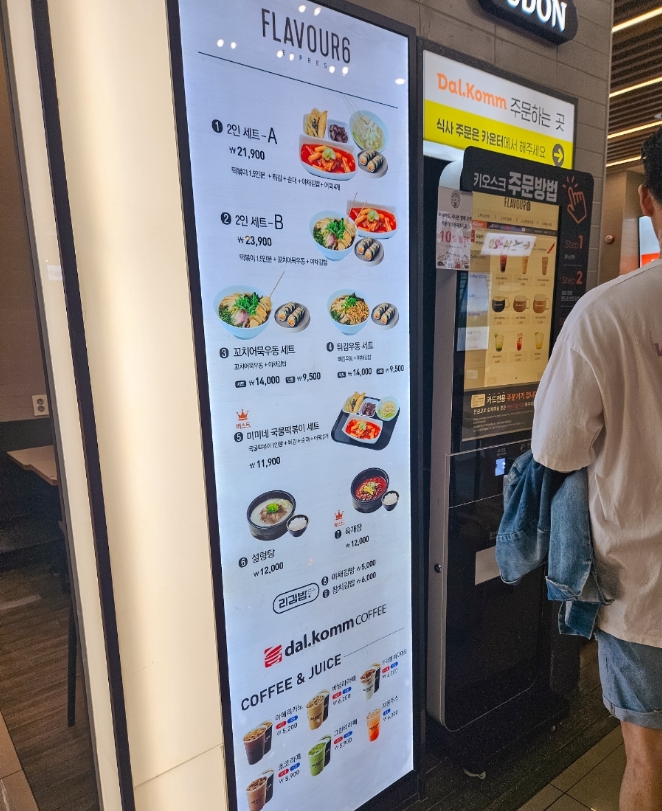
- Food court with Korean staples — seolleongtang (beef bone soup), yukgaejang (spicy beef soup), kimbap, and the usual quick bites. Solid pre-flight breakfast options.
- OSULLOC tea cafe — this one’s worth a visit even if you’re not hungry. OSULLOC is the famous Jeju green tea brand, and their airport branch is essentially a preview of what you’re flying toward. Their green tea latte and tea cakes are excellent. If you only do one airport thing, do this.
- Villa de Charlotte — reliable cafe for a regular coffee and a pastry.
- Convenience stores and snack shops for last-minute water, gum, or Korean snacks to bring as gifts.
Getting to your gate: depending on your gate number, you’ll either walk (most gates) or take a short internal shuttle bus (a handful of remote gates). Just follow the signs and the gate-number directions on your boarding pass — it’s straightforward even without Korean.
Option 2: Ferry — Only Sometimes Worth It
Let me be straight with you: most international travelers should not take the ferry. Here’s why.
The ferries don’t leave from Seoul. The closest practical port is Wando, which is on the southern coast — about 4–5 hours from Seoul by KTX+bus combination, or 5+ hours by car. The crossing itself is another 2 hours 40 minutes. So a “ferry trip” is really a full-day journey that costs more in time and money than a $25 flight.
But if any of these apply to you, the ferry is genuinely a great experience:
- You’re driving and want your car on Jeju. This is the main legitimate reason. Renting on Jeju is easy and cheap, but if you’ve already got a car you love driving, sure.
- You’re traveling with a pet. Korean domestic airlines have strict pet rules; ferries are far more flexible and have dedicated pet rooms and pet zones.
- You want a proper sea-travel experience. The ships are larger than people expect, with restaurants, lounges, observation decks, and even arcade rooms. The overnight Incheon ferry doubles as accommodation.
The Routes (and the Ships That Run Them)
Most Jeju ferry routes are operated by Hanil Express, and each port uses a specific named ship. This actually matters because the experience varies a lot between vessels:
- Wando → Jeju (Blue Pearl ferry): 2h 40m, three sailings per day. The fastest mainstream route. Foot passenger about $25–46, with a car $120–160. Multi-deck vessel with restaurants, an open-air observation deck, and family-friendly facilities.
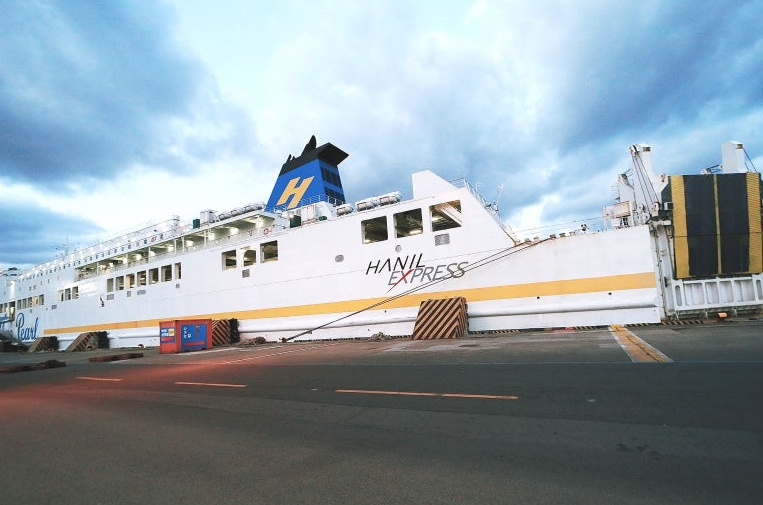
- Yeosu → Jeju (Gold Stella ferry): Around 5–6 hours. The most upscale of the regular ferries — geared toward travelers who want a longer, more relaxing crossing. Yeosu itself is a popular coastal city, so this route works well if you want to combine two destinations into one trip.
- Mokpo → Jeju (Queen Mary ferry): Around 4 hours. Known for sunset views on evening sailings. Free shuttle bus from the vehicle loading area to the passenger terminal.

- Jindo → Jeju (Santa Monica ferry): 90 minutes (or 120 minutes if the sailing stops at Chuja Island en route). The fastest crossing, but also the most basic — no observation deck, no private cabins, just seating. Practical, not scenic.
- Incheon → Jeju (overnight): 12–15 hours. Departs evening, arrives morning. Saves a hotel night.
Cabin Classes — What You’re Actually Booking
Korean ferries don’t work like Western cruise lines. Here’s the rough hierarchy you’ll see in the booking system:
- Shared room (daininshil): Floor-style sleeping in a communal room — Korean traditional style, no individual beds. Cheapest. Bedding (blankets, pillows) is often paid rental or not provided at all — bring a small travel pillow if you’re particular.
- Family room: Private room with floor sleeping for 4+ people. Often cheaper per person than booking multiple shared spots.
- First class / VIP cabin: Private room with actual beds, TV, and an en-suite bathroom (sometimes with a tub on the larger ships). Hotel-grade on the bigger vessels.
Shared rooms also have access to clean public shower facilities, which most passengers don’t need on shorter routes but are useful on the overnight Incheon sailing.
Bringing a Car or Pet
A few things to know before you book:
- Only the driver stays in the car during loading. All other passengers walk on separately.
- Every passenger needs photo ID — passport for foreign nationals.
- Pet facilities come in two types: pet rooms (private shared accommodations for pet owners) and pet zones (designated open areas where dogs can stretch). Both must be booked in advance — you can’t just show up with a dog.
- Wheel-safe vehicle securing. All Hanil Express ferries use non-marking materials to lock cars in place, so you don’t need to worry about scratched rims.
Insider Tips
A few things experienced ferry travelers do that nobody mentions in the brochures:
- Mix routes for variety. If you have time, take one ship out and a different one back — for example, sail Yeosu → Jeju on the Gold Stella, then return Jeju → Wando on the Blue Pearl. The ships have very different vibes.
- Book round-trip if you can. Last-minute return bookings are the #1 way ferry trips go wrong. Cabin classes (especially private rooms and vehicle slots) sell out days in advance, especially in summer and around Korean holidays.
- Don’t overthink cabin choice on short routes. On the 90-minute Jindo crossing or even the 2h 40m Wando route, you’ll spend most of your time wandering the ship anyway. Save your money for a proper cabin on the longer Yeosu or overnight Incheon sailings.
How to Actually Book the Ferry as a Foreigner
The official Hanil Express website is Korean-only and frequently rejects foreign credit cards. You have two realistic options:
- Klook — Easiest path. English booking, accepts international cards, handles the Korean side for you. Best for foot passengers without vehicles or pets.
- Direct booking via Hanil Express — Required if you’re bringing a car or pet. You’ll likely need a Korean-issued card or help from a Korean speaker. Ask your hotel front desk to assist, or use a translator browser extension.
For the Wando, Yeosu, and Mokpo routes, Klook covers most foot-passenger bookings. For Jindo and the overnight Incheon route, availability on third-party platforms is more limited.
Side-by-Side Comparison
| Plane | Ferry | |
|---|---|---|
| Travel time (door to door) | 3–4 hours total | 7–18 hours total |
| One-way cost (foot passenger) | $20–80 | $25–60 |
| One-way cost (with car) | N/A | $120–200+ |
| Best for | 95% of travelers | Drivers, pet owners, slow travelers |
| Booking ease for foreigners | Easy (English airline sites) | Moderate (use Klook) |
| Frequency | ~120 flights/day from Gimpo | 5+ sailings/day across all routes |
| Pet-friendly | Limited | Yes (dedicated rooms and zones) |
Practical Tips Once You’re Planning
A few things worth knowing:
- No visa for short stays. Most nationalities get 90 days visa-free in Korea. Check your specific country, but Americans, Europeans, Australians, and most others are fine.
- Get a T-money card on arrival. Buy one at any convenience store at the airport. Works on all subways, buses, and even some taxis. Refundable at the airport when you leave.
- Naver Map > Google Maps. Google Maps is bad for transit in Korea. Naver Map and Kakao Map both have English versions and they actually work. Download before you arrive.
- Papago for translation. Better than Google Translate for Korean.
- Cash for traditional markets. Cards work almost everywhere, but small market stalls and some street food vendors are cash-only. Carry ₩50,000 or so.
Renting a Car on Jeju — Strongly Recommended
Jeju’s public transit is okay, but the island is built around having a car. Most major rental companies (Lotte, AJ, SK) have desks at Jeju Airport with English-speaking staff, and many smaller shops will pick you up.
You’ll need:
- An International Driving Permit (IDP) issued in your home country before you fly. This isn’t optional — Korean rentals legally cannot rent to you without it.
- Your passport
- A credit card
Book a few days ahead in summer, and at least two weeks ahead during Chuseok or Lunar New Year holidays.
A Sample First Day
Here’s how a typical Seoul-to-Jeju travel day looks for someone landing fresh:
- 7:30 AM Cab to Gimpo from a central Seoul hotel
- 8:30 AM Check in, breakfast at the airport
- 9:30 AM Flight departs
- 10:45 AM Land at Jeju
- 11:15 AM Pick up rental car
- 12:00 PM Late lunch in Jeju City (try black pork)
- Afternoon Yongduam Rock, Dongmun Market, then drive east to your accommodation
You can absolutely fit Seoul checkout, the flight, and a meaningful afternoon of sightseeing into a single day. That’s the magic of this route.
One More Thing — For the Return Trip
When you’re flying back to Seoul from Jeju, check your inbound arrival time at Gimpo using the Korea Airports Corporation app or the airline’s app before anyone picks you up. Korean domestic flights frequently land 5–15 minutes early when winds cooperate, and it’s awkward to wait at the curb when your driver’s still in traffic.
The Bottom Line
Fly from Gimpo on a weekday morning, book direct with the airline 3–4 weeks out, and don’t overthink it. The Seoul-to-Jeju trip is one of the smoothest domestic journeys you’ll find anywhere in Asia — most travelers tell us it ended up being the easiest part of their entire Korea trip.