
If you’re exploring the Jeju East Coast, you can’t miss the filming locations for the hit Netflix series “When Life Gives You Tangerines” (Korean title: Poksak Sokatsuda). Along with the cinematic vibes, I’ll show you how to participate in the Mobile Stamp Tour at the iconic Seongsan Ilchulbong!
1. Haenyeo Museum: A Deep Dive into Jeju’s Spirit
The first stop is the Haenyeo Museum. Even if you aren’t a K-drama fan, this is a must-visit to understand the “Haenyeo” (female divers), who are recognized as a UNESCO Intangible Cultural Heritage.
-
As Seen in the Drama: * In the grand finale (Episode 16), the museum’s opening ceremony is featured.
-
It’s a touching scene where a vintage photo of Aesoon’s mother as a diver is displayed.
-
-
Visitor Info:
-
Hours: 09:00 – 18:00 (Closed Mondays & major holidays).
-
Admission: Adults (25-64) 1,100 KRW / Youth (13-24) 500 KRW / Children Free.
-
Note: While listed as a stamp tour spot, please check local signs as stamp availability can vary by season!
-
Maps: * Google Maps
-
Deep Dive into the Soul of Jeju: A Visit to the Haenyeo Museum
When you think of Jeju Island, what comes to mind? Is it the sweet tangerines, the volcanic landscapes, or the famous black pork? For many, the true heart of Jeju lies in its people—specifically the Haenyeo (Jeju Female Divers).
On my recent trip, I visited the Haenyeo Museum in Gujwa-eup to go beyond the surface and truly understand these “Mermaids of Jeju.”
The Story Behind the Museum
The Haenyeo Museum was built on a historical site to preserve and celebrate the unique culture of these women who dive into the cold ocean without oxygen tanks.
Before visiting, I read a beautiful picture book called “Mom is a Haenyeo” (written by Koh Hee-young and illustrated by Eva Armisén). It tells the story of three generations of divers. If you have a chance to read it, it will make your visit even more emotional. You’ll find yourself looking at the exhibits with a much deeper sense of respect.
Walking Through History: The 3 Exhibition Halls
The museum is thoughtfully organized into three main sections:
1. The Life of a Haenyeo (Hall 1)
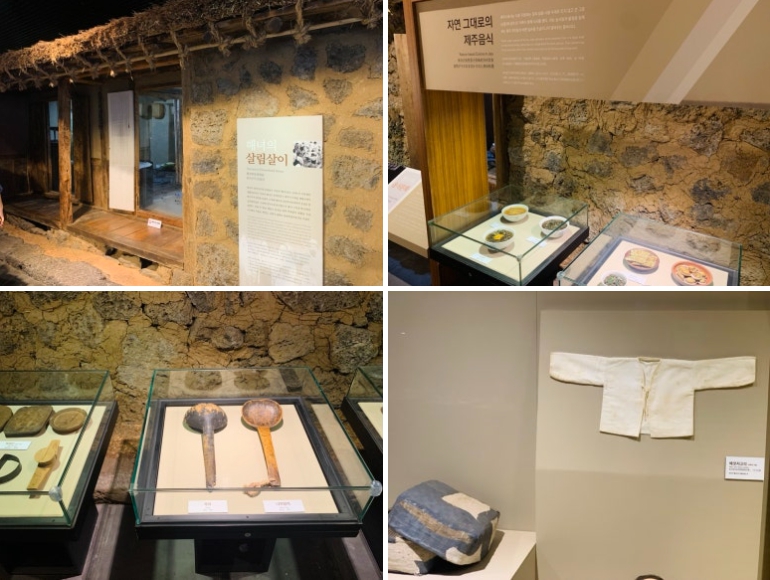
This section recreates a traditional Jeju home and the daily life of a diver. You can see what they ate, how they raised their children, and the simple but sturdy tools they used. Almost every artifact here was donated by actual Haenyeo families, making the experience feel very personal and authentic.
2. The Work of a Haenyeo (Hall 2)
Here, you’ll see the “workplace”—the sea. It showcases their diving gear (from traditional cotton suits to modern rubber ones) and the Tewak (the orange floaties you see in the water).
-
New Discovery: I was surprised to learn how little I actually knew! For example, did you know Haenyeo are categorized into ranks (High, Middle, and Low) based on their diving depth and experience?
3. A Legacy of Courage: The Anti-Japanese Movement (Hall 3)
This was the most moving part for me. In 1932, during the Japanese occupation, the Haenyeo of Jeju led a massive resistance against colonial exploitation.
-
The Heroines: Look for the names of the five representative leaders: Bu Chun-hwa, Kim Ok-ryeon, Bu Deok-ryang, Ko Sun-hyo, and Kim Gye-seok. * It was one of the largest women-led anti-colonial movements in Korean history, showing that these women were not just divers, but fierce protectors of their land and rights.
✨ Why You Should Go
If you want to understand the “Grandmother energy” that built Jeju Island, this museum is the place. It’s not just a collection of old things; it’s a tribute to resilience and community.
-
Perfect for Families: It’s very educational for children and easy to walk through.
-
Location Bonus: It’s located right near Sehwa Beach. After the museum, you can walk to the shore and perhaps spot some real Haenyeo working in the distance!
2. Seongsan Ilchulbong (Sunrise Peak)
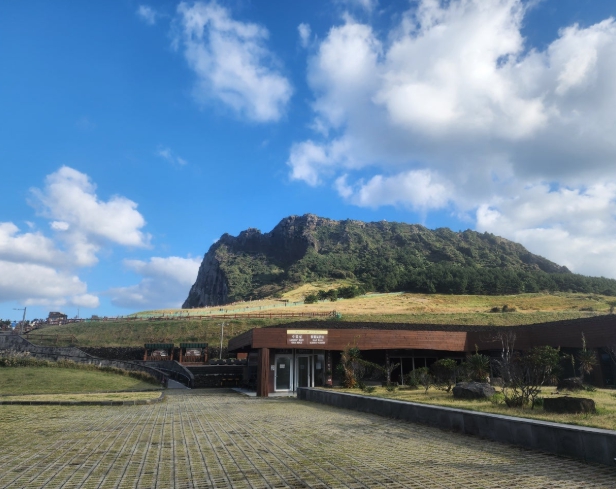
A UNESCO World Heritage site and Jeju’s most iconic landmark. The energy here is incredible, especially with the recent “Netflix effect” bringing more fans to the area.
📍 How to find the Mobile Stamp Spot
Don’t get lost! Look for the giant Mandarin (Tangerine) Tube near the entrance. You’ll see a sign that says “In Love with Jeju” (제주에 폭싹 빠졌수다).
Pro-Tip: Collecting stamps at major spots like the Airport, Jeju Harbor, and here enters you into a lucky draw for round-trip flight tickets!
⏰ Seasonal Operating Hours
-
Mar–Apr / Sep–Oct: 05:00 – 19:00
-
May–Aug (Summer): 04:30 – 20:00 (Perfect for early sunrise!)
-
Nov–Feb (Winter): 06:00 – 18:00
-
Closed on the first Monday of every month.
성산일출봉 부분도 앞서 정리해 드린 블로그 포맷에 맞춰, 외국인 여행객들이 궁금해할 실질적인 팁(소요시간, 해설 프로그램 등)을 더해 영어로 풍성하게 업데이트해 드립니다.
Seongsan Ilchulbong: A Journey to the “Crowning Jewel” of Jeju
If you’re planning a trip to East Jeju, Seongsan Ilchulbong (Sunrise Peak) is an absolute must. Even if you’ve visited Jeju before, this UNESCO World Natural Heritage site offers a new sense of wonder every time you stand before its grand presence.
💰 Admission Fees
-
Adults (25–64): 5,000 KRW
-
Youth / Children (7–24): 2,500 KRW
-
Children (Under 6) & Seniors (65+): Free
-
Note: There is a Free Section (Coastal trail & Udo view) and a Paid Section (The actual summit trail). I highly recommend taking the paid trail to see the crater!
-
Maps: * Google Maps
⏰ Hiking Time & Difficulty
-
Total Duration: Approximately 50 to 60 minutes (Round trip at a leisurely pace).
-
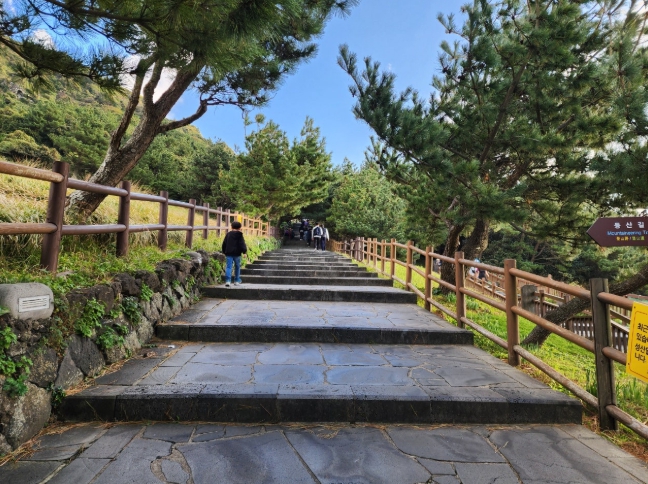
Difficulty: Moderate. The trail is mostly wooden stairs and is very well-maintained.
-
Pro-Tip: Sneakers are a must! It can get very windy at the top, so even in spring or autumn, bringing a light jacket is a smart move.
✨ Highlights of the Summit
-
The Massive Crater: Once you reach the top, a vast, green bowl-shaped crater unfolds. It’s the ultimate “Jeju landscape.”
-
Free Nature Guide (Hidden Gem): Don’t just look at the view! There are expert commentators at the summit. You can ask them for a free explanation (available throughout the day) about how this peak was formed and why it’s a UNESCO site. It makes the scenery feel much more meaningful.
-
The Telescope View: On a clear day, you can see Udo Island and the winding coastline of East Jeju in great detail.
💡 Traveler’s Tips
-
Beyond the Sunrise: While famous for sunrises, it’s beautiful all day. Mornings offer bright light on the crater, while afternoons turn the surrounding ocean into a deep, sapphire blue.
-
Perfect Coordination: It’s located very close to Seongsan Port, making it the perfect starting point before taking the ferry to Udo Island.
-
After the Hike: There are plenty of charming cafes and restaurants at the base where you can reward yourself with a cold drink or a warm meal.
Seongsan Ilchulbong is more than just a photo spot; it’s a place where you can feel the raw power of nature. Don’t just see it from afar—climb it and feel the “Jeju spirit” for yourself!