
Beyond Seoul: 5 Must-Visit Cities to Experience the Real Korea in 2026
If you’re looking for the best cities to visit in Korea outside Seoul, you’re about to discover a side of this country that most tourists never see. While Seoul is often the first stop for international travelers — and rightly so — the true essence of Korea reveals itself when you step outside the capital.
From ancient kingdoms and volcanic islands to seaside coffee streets and centuries-old food traditions, Korea’s regional cities offer a richness and diversity that no single trip to Seoul can fully capture. Here are five iconic destinations that belong on every Korea itinerary in 2026.
1. Gyeongju — The Golden City of History
Best for: History lovers, UNESCO heritage sites, nighttime photography
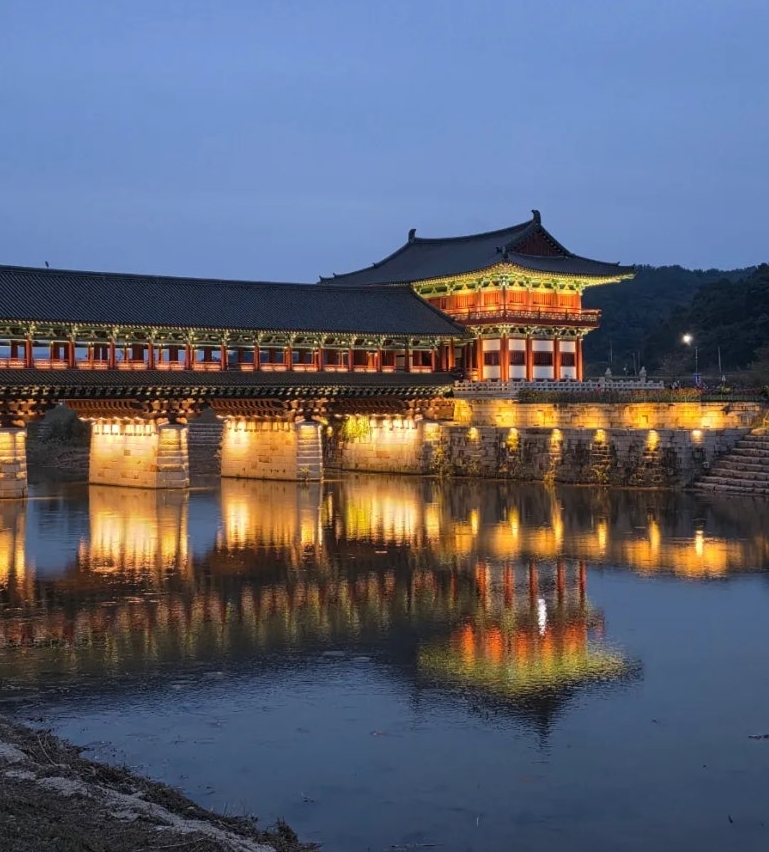
Gyeongju is a city where time seems to slow down. As the ancient capital of the Silla Kingdom (57 BC – 935 AD), it is often described as a city without walls — because the entire city is essentially an open-air museum. Burial mounds, stone pagodas, and ancient palace ruins are woven seamlessly into the fabric of everyday life here.
Following the successful hosting of the 2025 APEC Summit, Gyeongju has become even more accessible and welcoming to international visitors, with world-class facilities now sitting alongside its ancient heritage.
Must-See Highlights
Daereungwon Tumuli Park — A serene parkland dotted with the grassy burial mounds of Silla royalty. Walking among these ancient tombs at dusk, when the light turns golden, is a genuinely moving experience.
Bulguksa Temple — One of Korea’s most celebrated Buddhist temples and a UNESCO World Heritage Site. The stone staircases, pagodas, and golden halls have been standing for over 1,300 years.
Donggung Palace and Wolji Pond — This is arguably Gyeongju’s most magical nighttime spot. The illuminated palace buildings and their shimmering reflections in the pond create one of the most beautiful views in all of Korea after dark.
Local Experience
Walking along the historic stone walls of the city at night provides a sense of peace that is rare in modern cities. Rent a bicycle and explore at your own pace — Gyeongju is perfectly suited for slow, unhurried travel.
Getting There
Gyeongju is approximately 2 hours from Seoul by KTX high-speed train to Singyeongju Station, or about 1 hour from Busan.
2. Busan — The Energetic Maritime Hub
Best for: Beach lovers, foodies, urban explorers, nightlife
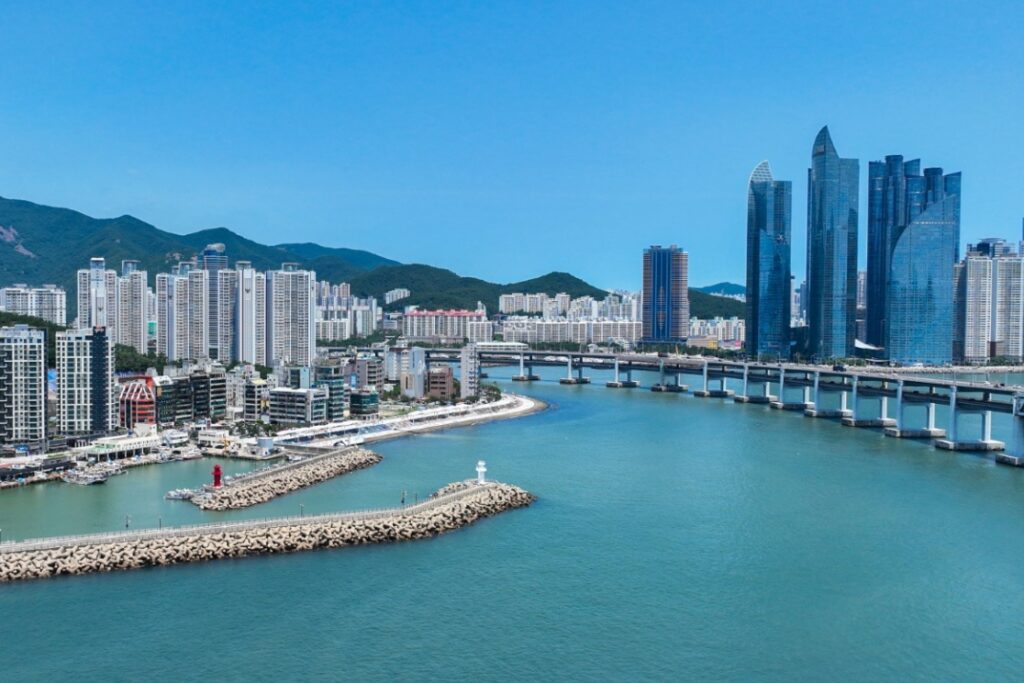
Busan is a dynamic coastal city brimming with energy and vitality. Korea’s second-largest city and its busiest port, Busan offers a perfect blend of urban excitement and natural beauty that makes it a favorite for travelers who love both the city and the sea.
The mountains meet the ocean here in a way that makes the city’s geography uniquely dramatic — neighborhoods cling to hillsides, beaches are framed by skyscrapers, and the harbor lights up the bay at night.
Must-See Highlights
Haeundae Beach — Korea’s most famous beach, lined with high-rise hotels and buzzing with activity year-round. The blue waves and the Gwangandaegyo Bridge glittering in the background make for an iconic Busan vista.
Gwangandaegyo Bridge — Best experienced at night when the bridge’s LED lighting system illuminates the entire structure in shifting colors across the bay.
Gamcheon Culture Village — A hillside neighborhood of colorful stacked houses, winding alleyways, and open-air art installations. Often called the “Machu Picchu of Busan,” it’s one of the most photographed neighborhoods in Korea.
Local Flavors
No trip to Busan is complete without:
- Dwaeji-gukbap (돼지국밥) — A rich, deeply savory pork bone soup that is the quintessential Busan comfort food. Locals eat it for breakfast, lunch, and dinner.
- Fresh Sashimi at Jagalchi Market — Korea’s largest seafood market, where you can pick your fish from the tanks and have it prepared on the spot upstairs. An unmissable culinary experience.
Getting There
Busan is 2.5 hours from Seoul by KTX from Seoul Station or Suseo Station.
3. Jeju Island — Nature’s Island Retreat
Best for: Nature lovers, honeymooners, outdoor adventures, unique local cuisine
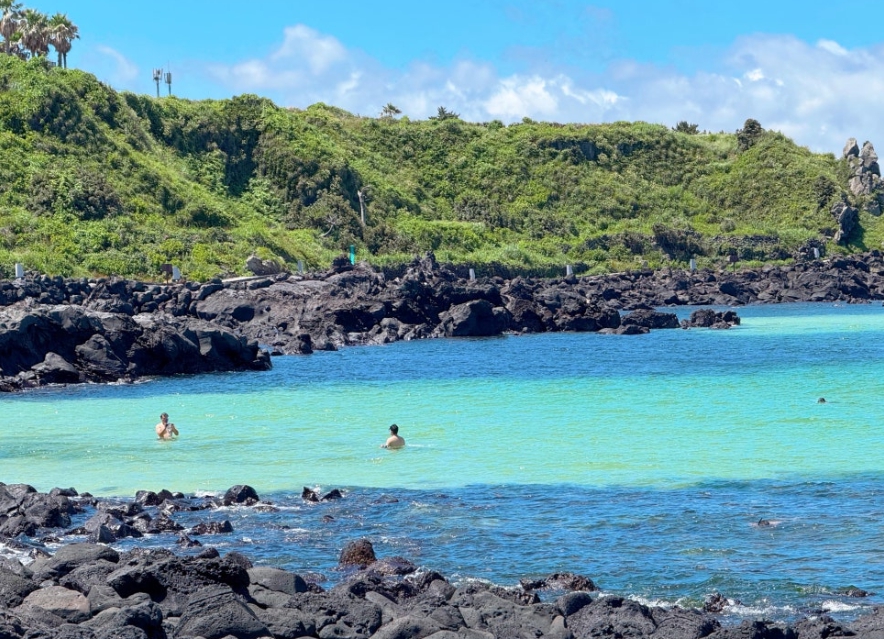
Jeju remains Korea’s premier island getaway — a place where the rhythm of travel slows to match the gentle rhythm of the tides. Formed by volcanic activity hundreds of thousands of years ago, Jeju is a landscape of dramatic contrasts: jet-black lava rock shores, emerald ocean waters, dense forest trails, and a dormant volcano rising at the center of it all.
Designated as a UNESCO World Natural Heritage Site, Jeju is one of the most naturally spectacular places in all of East Asia.
Must-See Highlights
Seongsan Ilchulbong (Sunrise Peak) — A volcanic tuff cone rising dramatically from the sea. Watching the sunrise from the summit crater is one of the most breathtaking experiences Korea has to offer. Arrive at least 30 minutes before dawn to secure your spot.
Hyeopjae Beach — Famous for its impossibly clear turquoise waters and fine white sand — unusual for Korea, which typically has yellow sand beaches. The water here looks more Caribbean than Northeast Asian.
Hallasan Mountain — At 1,950 meters, Hallasan is the highest mountain in South Korea. The forest trails leading up the volcano are peaceful, well-maintained, and offer stunning crater lake views at the summit.
Local Flavors
- Jeju Black Pork BBQ (흑돼지구이) — Jeju’s native black pigs are raised on a unique diet that gives their meat a distinctive rich flavor. Grilling your own cuts at a local restaurant is a must.
- Seafood Hotpot with Abalone (해물뚝배기) — Jeju is famous for its haenyeo (female divers) who harvest fresh abalone and seafood from the ocean floor. A hotpot filled with local abalone is the ultimate island meal.
Getting There
Jeju is accessible by domestic flight from Seoul (approximately 1 hour) or by ferry from various mainland ports.
4. Gangneung — Coffee, Sunrise, and Coastal Calm
Best for: Coffee enthusiasts, sunrise seekers, beach lovers, relaxed coastal vibes
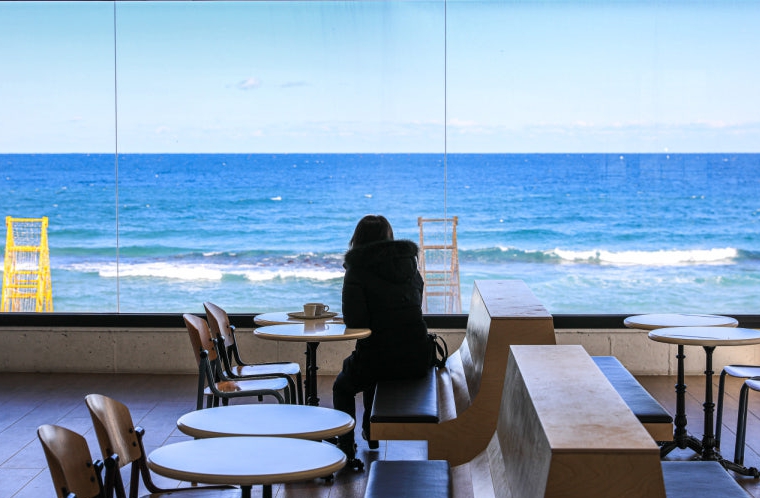
Gangneung is where the East Sea and daily life harmonize beautifully. Once known primarily for its proximity to ski resorts and its role as a venue for the 2018 PyeongChang Winter Olympics, Gangneung has evolved into a full-fledged cultural destination known for its sophisticated coffee scene, stunning sunrises, and fresh seafood.
It’s the kind of city that rewards slow travel — where an entire morning can be happily spent walking from café to café along the beach, watching the waves.
Must-See Highlights
Anmok Beach Coffee Street — A stretch of beachfront road lined with independent specialty coffee shops, each competing to offer the best cup with the best ocean view. This is ground zero for Korea’s third-wave coffee culture, and visiting on a calm morning with a flat white and a sea breeze is one of the most pleasant experiences in the country.
Jeongdongjin — Famous throughout Korea for having the closest train station to the sea in the world. The sunrise here is legendary — thousands of Koreans make the pilgrimage every New Year’s Day, but it’s spectacular any morning of the year.
Local Flavors
- Chodang Tofu (초당순두부) — Silky soft tofu made using local seawater, served in a simple broth. Healthy, delicate, and deeply comforting — a perfect coastal breakfast.
- Gamja Ongsimi (감자옹심이) — A traditional Gangwon Province dish of potato dumplings in a warm soup. Earthy, filling, and unlike anything else you’ll try in Korea.
Getting There
Gangneung is approximately 2 hours from Seoul by KTX from Cheongnyangni Station, making it an excellent day trip or overnight destination.
5. Jeonju — The Cultural Heart of Tradition
Best for: Food lovers, cultural experiences, traditional architecture, slow travel
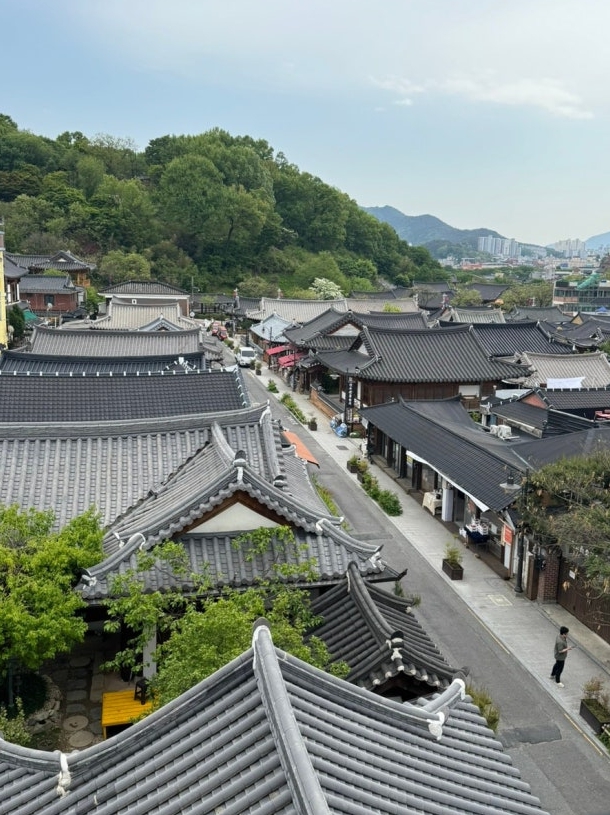
Jeonju is where Korea’s traditions are preserved with the utmost grace and pride. Widely regarded as the food capital of Korea, Jeonju is a city that takes its culinary heritage as seriously as any Michelin-starred restaurant — only here, the tradition stretches back centuries.
At the heart of the city lies the Jeonju Hanok Village, one of the best-preserved traditional neighborhoods in the country, with over 700 hanok (traditional Korean houses) still in active use as guesthouses, restaurants, tea houses, and craft workshops.
Must-See Highlights
Jeonju Hanok Village — Strolling through the lantern-lit alleyways of the hanok village at dusk is one of the most atmospheric experiences in Korea. Rent a hanbok (traditional Korean dress) from one of the many rental shops and explore the neighborhood in style — many attractions offer discounts to visitors wearing hanbok.
Overnight in a Traditional Hanok — Sleeping in a hanok guesthouse, with its wooden floors, paper screen doors, and ondol (underfloor heating) is a genuinely unique cultural experience. Book well in advance as the best rooms fill up quickly.
Local Flavors
- Jeonju Bibimbap — The definitive version of Korea’s most iconic dish. Jeonju’s version uses special short-grain rice cooked in beef broth, topped with over 30 carefully prepared vegetables, beef, and a fried egg. It is noticeably more refined than bibimbap served elsewhere.
- Makgeolli Alleys (막걸리 골목) — Jeonju’s legendary tradition: order one bottle of makgeolli (Korean rice wine) and receive an ever-growing parade of free side dishes. The longer you stay, the more food arrives.
- Kongnamul-gukbap (콩나물국밥) — A simple, deeply restorative bean sprout soup with rice, traditionally eaten for breakfast or as a late-night remedy. The Jeonju version is considered the best in Korea.
Getting There
Jeonju is approximately 2 hours from Seoul by KTX to Jeonju Station, or about 1.5 hours from Busan.
Quick Comparison — 5 Cities at a Glance
| City | Best For | Travel Time from Seoul | Must-Try Food |
|---|---|---|---|
| Gyeongju | History & Culture | ~2 hrs (KTX) | Ssambap, Gyeongju bread |
| Busan | Beaches & Seafood | ~2.5 hrs (KTX) | Dwaeji-gukbap, Sashimi |
| Jeju Island | Nature & Adventure | ~1 hr (flight) | Black Pork BBQ, Abalone |
| Gangneung | Coffee & Sunrise | ~2 hrs (KTX) | Chodang Tofu, Gamja Ongsimi |
| Jeonju | Food & Tradition | ~2 hrs (KTX) | Bibimbap, Makgeolli |
Practical Tips for Exploring Beyond Seoul
Use the KTX: Korea’s high-speed rail network is fast, comfortable, and punctual. A KTX pass for foreign visitors can significantly reduce transport costs if you’re visiting multiple cities.
Book accommodation early: Popular hanok guesthouses in Jeonju and boutique hotels near Haeundae in Busan fill up weeks in advance, especially during peak seasons (spring cherry blossoms and autumn foliage).
Your T-money card works nationwide: The same card you use on the Seoul subway works on buses and local transit in Busan, Gyeongju, Jeonju, and Gangneung. No need for separate transit cards.
Download Naver Maps: Google Maps is less reliable outside of Seoul. Naver Maps has accurate real-time transit data for all of these cities. Check our Essential Korea Travel Apps guide for the full list of must-have travel apps.
FAQ
How many days do I need to visit all five cities? Realistically, you’d need at least 10–14 days to visit all five cities without feeling rushed. Gyeongju and Busan pair well together (they’re only 1 hour apart), and Jeonju makes an excellent stop en route between Seoul and Busan.
Which city is best for a first-time visitor to Korea outside Seoul? Busan is the most popular choice — it has excellent infrastructure for tourists, a wide range of accommodation, incredible food, and beautiful beaches. Jeonju is the best choice if food and culture are your priorities.
Is English widely spoken outside of Seoul? English is less common outside Seoul, but major tourist areas in all five cities have English signage and staff. The Naver Papago app is invaluable for communication outside the capital.
What is the best time of year to visit these cities? Spring (April–May) for cherry blossoms and mild weather, and autumn (September–November) for foliage and comfortable temperatures are generally considered the best seasons. Jeju is beautiful year-round.
Ready to start planning? Check out our guides on How to Get Around Korea by KTX, Essential Korea Travel Apps, and Best Night View Spots in Seoul.